The Complete Guide to Selecting the Best Deck Builder for Your Home
Selecting the best deck builder can greatly impact the success of an outdoor project. A experienced builder guarantees compliance with local codes while prioritizing safety and quality. Evaluating credentials, experience, and client feedback is essential. Additionally, understanding material options and setting a clear budget are critical steps. As homeowners weigh these factors, they may wonder what targeted questions to ask during interviews and how to assess project timelines efficiently.
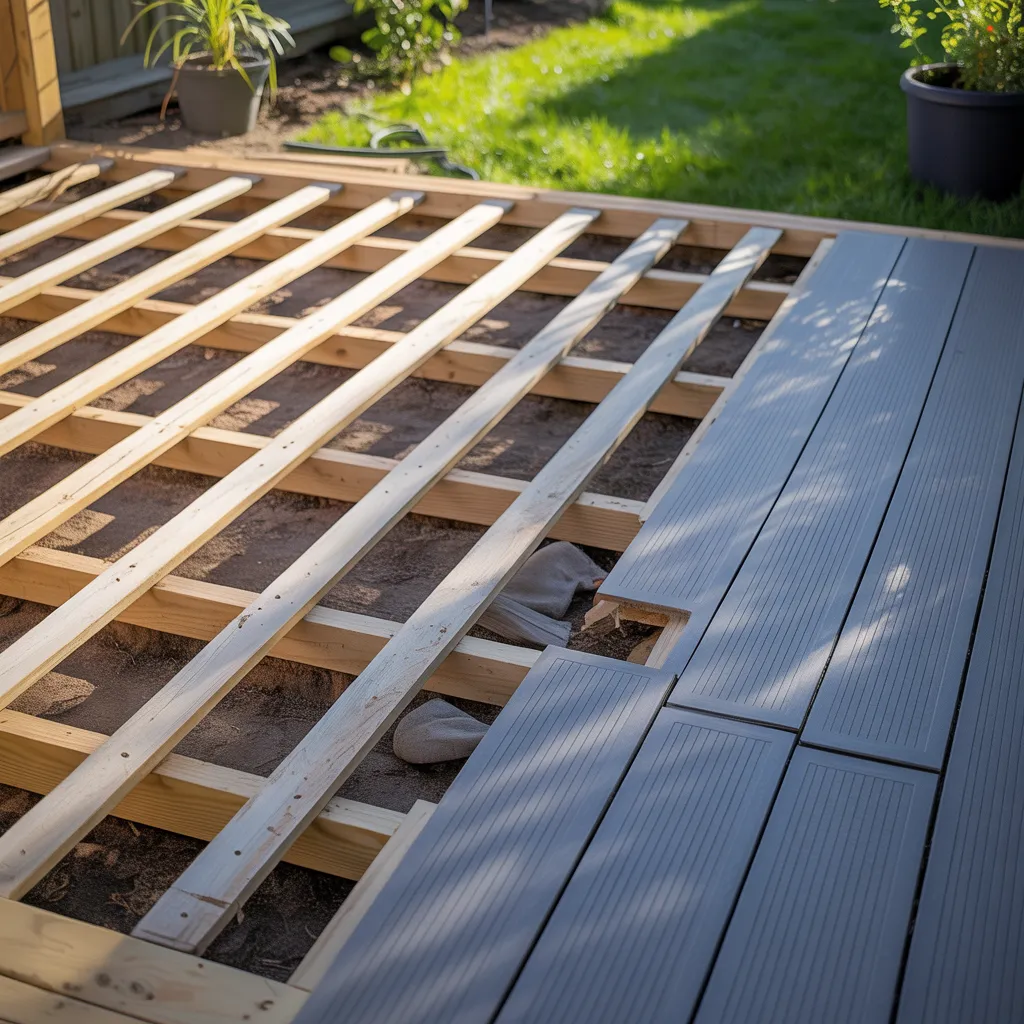
Why Picking the Right Deck Builder Is Essential for Your Project
Choosing the best deck builder can significantly influence the result of a build. A skilled and reputable builder can make certain that the deck is constructed to meet both aesthetic and functional requirements, enhancing the overall value of a home. In contrast, selecting an inexperienced or unreliable builder may lead to subpar craftsmanship, safety concerns, and potential legal issues. Premium materials, appropriate construction techniques, and conformity to local building requirements are essential elements that a well-informed builder will deliver. Additionally, a professional deck builder will maintain clear communication, enabling homeowners to convey their goals while also sharing professional recommendations. This partnership fosters a feeling of confidence and fulfillment throughout the project. At the end of the day, the right deck builder not only delivers a beautiful outdoor space but also ensures a streamlined project execution, guaranteeing that the investment yields enduring returns. Making an informed choice at this stage is vital for reaching the desired outcome.
How to Review Credentials and Experience of Deck Builders
Evaluating the credentials and experience of deck construction professionals is crucial for guaranteeing project success. Property owners should check certifications and insurance coverage to guard against financial risk. Furthermore, reviewing portfolio samples and examining industry experience can shed light on the contractor's skills and aesthetic approach.
Verify Licensing and Insurance
When looking to hire a deck builder, it is essential to verify their licensing and insurance, as these qualifications showcase their commitment to delivering quality workmanship. A valid license shows that the builder complies with local regulations and building codes, providing assurance of compliance and safety. Moreover, insurance shields homeowners from possible liabilities, such as injuries or property damage that may occur during construction. It is wise to request copies of both the license and insurance certificate for review. Consulting local regulatory bodies can help verify the license's validity. This measure not only protects the investment but also builds confidence in the builder's skills and dependability, ultimately contributing to a successful decking project.
Assess Industry Experience
Expertise plays an essential role in determining the standard of a deck contractor's work. When assessing potential contractors, it is essential to consider their experience in the trade and the types of projects they have finished. Specialists with extensive experience are more likely to possess a comprehensive grasp of construction materials and design concepts, which can significantly impact the finished product.
Moreover, checking for any specialized training or certifications can additionally substantiate their proficiency. Engaging with past clients can offer valuable information about the builder's reliability and professionalism. When all is considered, a builder's experience acts as a key measure of their ability to deliver a robust and beautiful deck, making it a critical criterion in the decision-making process.
Browse Portfolio Samples
How does a homeowner go about gauging a deck builder's abilities and creative vision? One of the most practical ways is to look through the builder's portfolio collection. A thorough portfolio showcases previous projects, offering insights into the builder's design style, craftsmanship, and attention to detail. Homeowners are encouraged to prioritize portfolios that display a range of projects, indicating the builder's versatility across different design styles and personal preferences. Furthermore, reviewing before-and-after images can effectively illustrate the builder's ability to bring remarkable change to outdoor spaces.
Homeowners should also consider customer reviews connected to each project, as these deliver valuable context and gauge overall customer satisfaction. Ultimately, a well-rounded portfolio does more than showcase technical skill and also reflects the builder's unique perspective and innovative approach, assisting homeowners in making confident and educated selections when selecting the right professional for their decking endeavor.
Select the Right Deck Building Materials
Picking the correct deck building materials is vital, as they affect both the aesthetics and longevity of the structure. Property owners should evaluate various options, including wood, composite, and PVC. Natural wood, such as cedar or redwood, offers a classic look but demands consistent upkeep to prevent decay and weathering. Composite options, crafted from a combination of wood fibers and plastic, offer long-lasting performance and minimal upkeep, attracting homeowners who desire eco-friendliness without compromising aesthetics.
PVC deck materials are fully synthetic, providing exceptional resistance to moisture, stains, and fading, making them an ideal option for humid climates. Every material comes with its own benefits and drawbacks, including cost, appearance, and environmental impact. Therefore, comprehensive research and evaluation of the home's design, local climate, and personal preferences will assist homeowners in identifying the most fitting materials for their deck. At the end of the day, the selection will influence both the visual attractiveness and functional durability of the deck.
How to Plan a Budget for Your Deck
Creating a budget for a deck requires several important factors. Initially, it is important to identify priorities, such as the deck's size and amenities. Next, it is necessary to evaluate material costs and incorporate labor costs to develop a practical financial plan.
Define Your Priorities
When organizing a deck project, understanding one's financial constraints is essential, as it establishes a foundation for well-informed choices. Homeowners should first identify their priorities, concentrating on the elements that are most important, such as dimensions, building materials, and aesthetic design. This level of clarity works to refine the budgeting process.
Additionally, it's essential to evaluate potential trade-offs; for example, going with fewer decorative accents can allow for superior building materials. Moreover, homeowners ought to examine their long-term goals—whether the intention is for hosting events, rest, or increasing property value. Outlining specific priorities will not only help in creating a sensible budget but also ensure the completed deck matches the homeowner's lifestyle and preferences. This deliberate approach cultivates fulfillment with the complete investment in the deck.
Calculate Material Costs
With priorities clearly defined, homeowners can start calculating material costs for their deck project. The process begins with selecting the kind of materials, such as wood, composite, or PVC, each differing in price and durability. Homeowners should investigate local vendors and costs to gauge the cost per square foot for their chosen materials. In addition, it's essential to account for the needed quantities, including fasteners, decking boards, and railings. Budgeting for potential extras, such as sealants or stains, is also advisable. Compiling a detailed list of necessary materials enables more accurate cost estimation. By gathering this information, homeowners can establish a realistic budget, ensuring that they match their material selections with their project goals and financial constraints.
Factor In Labor Expenses
Determining labor expenses is a critical step in preparing financially for a deck installation. Workforce expenses can vary considerably based on local market rates, the complexity of the design, and the experience of the builders. Property owners should gather various quotes from different deck builders to establish a reasonable cost range. Homeowners should clarify what is part of the labor expenses, such as preparation work and site cleanup. In addition, considering the timeline for the project can affect labor expenses; extended projects often result in increased expenses. By combining these labor considerations with material costs, homeowners can build a complete budget that prevents unforeseen financial burdens during the project execution. Clear communication with builders about expectations is vital.
Critical Questions to Raise During Your Deck Builder Interviews
What essential questions should homeowners ask when interviewing deck builders? To guarantee a successful project, homeowners should inquire about the builder's background and proficiency in deck building. Asking about their credentials and coverage is essential to confirm reliability and protection. Homeowners should also seek testimonials from previous customers to assess quality and satisfaction.
Knowing what materials the builder suggests and where they come from is crucial; homeowners should learn about durability and maintenance requirements. Moreover, reviewing the anticipated schedule for project completion helps set realistic expectations.
Homeowners need to inquire about the contractor's warranty on both workmanship and materials, securing coverage for future concerns. Finally, discussing payment plans and terms may help define budgetary expectations. By posing these questions, homeowners can better assess which building professional aligns with their vision and requirements.
What to Expect for Your Deck Project Timeline
How long can homeowners expect their deck project to take? The duration of a deck project depends significantly on a number of key factors, such as the complexity of the design, the materials chosen, and prevailing weather conditions. Typically, homeowners can anticipate a timeframe of four to eight weeks discover this from initial consultation to completion.
The process begins with planning and design, which typically requires one or two weeks. When the design is approved, acquiring the necessary permits can take an additional one to two weeks. When the necessary permits are in place, the physical construction stage typically spans two to four weeks, depending on the project's size and scope.
Homeowners ought to also consider possible setbacks caused by unexpected conditions, such as inclement weather or material availability. By recognizing these key steps, homeowners can set realistic expectations and prepare for their deck construction schedule in an informed manner.
How to Interpret Reviews and Gather Recommendations for Deck Builders
Following the creation of a timeline for the deck project, homeowners frequently look for reputable deck construction professionals to carry out their plans. Reviewing feedback is an important part in this process. Homeowners should look for platforms that provide verified feedback, such as Google, Yelp, or specialized construction forums. It is wise to prioritize up-to-date feedback, as they reflect the builder's current performance and reliability.
When assessing feedback, homeowners should consider the general score alongside particular remarks regarding timeliness, quality, and communication. Referrals from family, friends, or neighbors can also be invaluable. Individual referrals often come with firsthand experiences, offering details not typically seen in online reviews.
In addition, it is advantageous to review various references to develop a comprehensive understanding of candidate contractors. This careful method guarantees that homeowners choose a deck contractor who meets their needs and project specifications.

Frequently Asked Questions
What Warranties Are Commonly Provided by Deck Builders?
In most cases, deck builders offer warranties ranging from 1 to 10 years, depending on the materials used and quality of workmanship. Residents should diligently review warranty information, as coverage may differ substantially among builders and specific projects.
How Does Weather Influence Deck Construction Timeframes?
Weather conditions greatly impact deck construction schedules. Harsh weather such as rain, snow, or temperature extremes can set projects back, while mild and dry weather facilitates quicker progress. Construction teams commonly revise their schedules in response to forecasts to maintain ideal on-site conditions.
Am I Able to Make Changes to My Deck Design After the Project Begins?
Yes, deck design customization is achievable once the project has begun, but it can cause project delays and increased costs. Transparent dialogue with the builder is crucial to ensure expectations are met and changes are handled effectively.
What Permits Are Required for Deck Construction in My Area?
Local rules frequently mandate permits for deck construction, such as building permits and zoning clearances. Homeowners are advised to contact the building department in their municipality to identify the specific permits required depending on the deck's design, size, and location.
How Do Deck Builders Manage Unexpected Project Changes or Issues?
Deck construction professionals generally manage unanticipated project alterations or complications by communicating promptly with clients, evaluating the situation, and presenting viable resolutions. They often adjust timelines and budgets to accommodate necessary modifications while guaranteeing that the quality of the work is preserved.